EVENT
2024.08.01
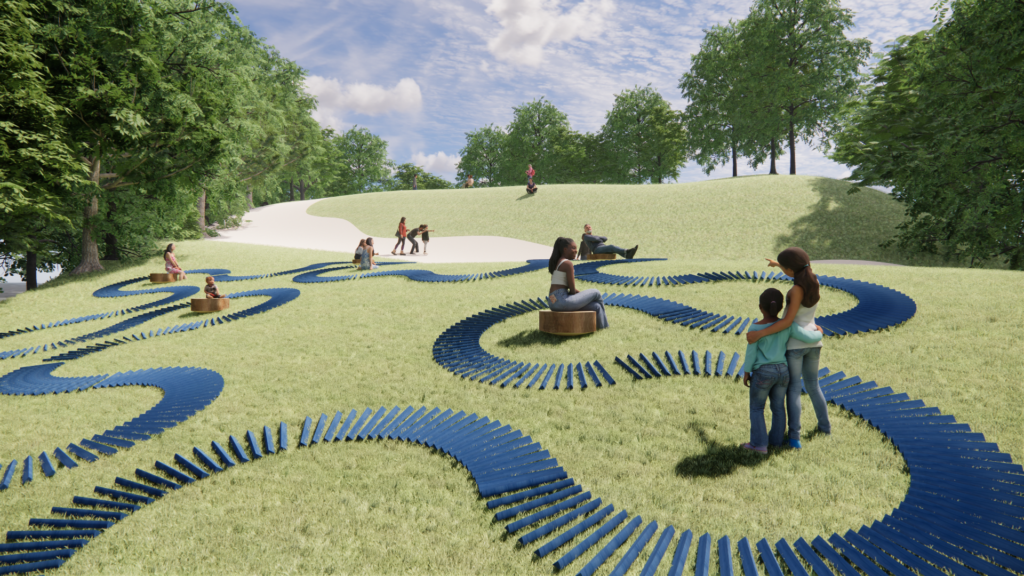
”ナラ枯れ”薪でつくる巨大ランドアートプロジェクト@生田緑地| VOL.1 8月24日(Sat) |1000本の薪を藍染しよう!

..::
_2026.07.03
_Tag
In the heart of Japan, far from the bustling cities and serene temples, lies a region that has long been shrouded in mystery and intrigue. This is the desert’s unknown region, a vast and arid expanse that has remained largely unexplored and uncharted. This case study delves into the geographical, ecological, and cultural aspects of this enigmatic area, shedding light on its unique characteristics and the challenges it presents to researchers and adventurers alike.
The desert’s unknown region in Japan is a stark contrast to the country’s lush landscapes and mountainous terrains. Located primarily in the southern part of the country, this area is characterized by its vast stretches of sand dunes, rocky plateaus, and sparse vegetation. The region’s arid climate is influenced by its proximity to the Pacific Ocean and the prevailing trade winds, which bring little rainfall to the area.
The desert’s unknown region is not a single, continuous expanse but rather a collection of smaller deserts and semi-arid zones. The most notable of these is the Tottori Sand Dunes, which, despite being the largest sand dunes in Japan, is just a small part of the larger desert ecosystem. Other significant areas include the Shirakawa Sand Dunes in Fukushima and the Oga Sand Dunes in Akita.
Despite its harsh conditions, the desert’s unknown region is home to a unique and resilient ecosystem. The flora and fauna that inhabit this area have adapted to the extreme conditions, making them a subject of great interest to scientists and researchers.
The vegetation in the desert’s unknown region is sparse but diverse. Plants such as the sand pine (Pinus pumila) and the Japanese juniper (Juniperus chinensis) are common, as are various species of grasses and 山岳公園 shrubs that have adapted to the arid climate. These plants play a crucial role in stabilizing the sand dunes and preventing erosion.
The fauna of the region is equally fascinating. The desert’s unknown region is home to a variety of bird species, including the Japanese sandgrouse (Pterocles orientalis) and the greater hoopoe-lark (Alaemon alaudipes). These birds have adapted to the harsh conditions by developing unique behaviors and physiological traits. For example, the Japanese sandgrouse is known for its ability to fly long distances in search of water, while the greater hoopoe-lark has developed a specialized digestive system that allows it to extract moisture from the seeds it consumes.
In addition to birds, the desert’s unknown region is also home to a variety of reptiles, amphibians, and insects. These creatures have evolved to thrive in the arid environment, making them a valuable subject of study for biologists and ecologists.

The desert’s unknown region has a rich cultural and historical significance that dates back centuries. The area has been inhabited by various indigenous groups, including the Ainu people, who have a deep spiritual connection to the land. The Ainu people have long revered the desert’s unknown region as a sacred place, believing it to be the dwelling place of the gods.
The desert’s unknown region has also played a significant role in Japan’s history. During the feudal period, the area was used as a strategic location for military outposts and trade routes. The harsh conditions of the desert made it an ideal place for defending against invaders, and the region’s natural resources, such as salt and minerals, were valuable commodities for trade.
In modern times, the desert’s unknown region has become a popular destination for tourists and adventurers. The Tottori Sand Dunes, in particular, have become a major tourist attraction, drawing visitors from around the world who come to experience the unique beauty of the desert landscape.
Despite its many attractions, the desert’s unknown region presents a number of challenges to researchers and adventurers. The harsh climate and remote location make it difficult to access and study the area, and the lack of infrastructure and resources can pose significant obstacles.
One of the biggest challenges facing the desert’s unknown region is the threat of desertification. The increasing demand for water and land resources, coupled with the effects of climate change, has led to the degradation of the desert ecosystem. This has resulted in the loss of biodiversity, soil erosion, and the displacement of local communities.
However, the desert’s unknown region also presents numerous opportunities for research and development. The unique ecosystem of the area offers valuable insights into the adaptability of life in extreme environments, and the region’s natural resources have the potential to be harnessed for sustainable development.
The desert’s unknown region in Japan is a fascinating and enigmatic landscape that has long captivated the imagination of researchers, adventurers, and tourists alike. Its unique geographical features, diverse ecosystem, and rich cultural history make it a subject of great interest and importance. However, the challenges posed by the harsh climate and the threat of desertification highlight the need for continued research and conservation efforts to preserve this valuable natural resource for future generations.
As Japan continues to explore and develop its desert regions, it is essential that we approach this task with a sense of responsibility and respect for the land and its inhabitants. By doing so, we can ensure that the desert’s unknown region remains a vibrant and thriving ecosystem, a testament to the resilience and adaptability of life in even the most extreme environments.
_Tag

EMARF | 「自分で作ったものは自分で撮る」をモットーにVUILDではプロダクトから建築のデザイン、制作プロセスや竣工写真の撮影などを行なっている。
Other Posts→