EVENT
2024.08.01
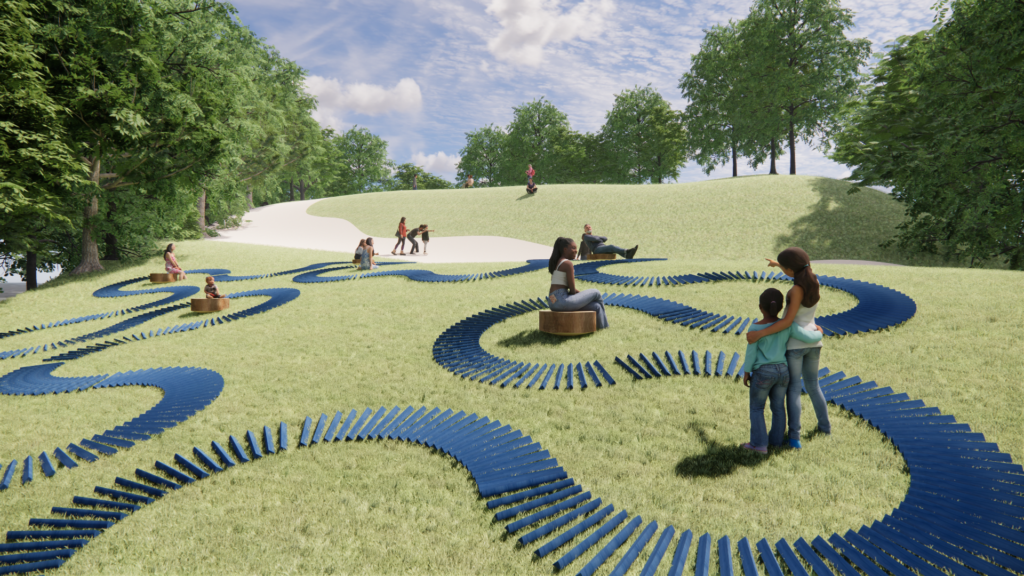
”ナラ枯れ”薪でつくる巨大ランドアートプロジェクト@生田緑地| VOL.1 8月24日(Sat) |1000本の薪を藍染しよう!

..::
_2026.05.24
_Tag
In the vast expanse of the Seto Inland Sea, nestled between the Japanese islands of Honshu, Shikoku, and Kyushu, lies a lesser-known gem that has largely evaded the spotlight of mainstream tourism. This enigmatic island, known as Kuroshima, presents a fascinating case study of a region’s unknown island, offering a unique blend of natural beauty, 写真スポット historical intrigue, and cultural richness.
Geographical Overview
Kuroshima, which translates to “Black Island,” is a small, unassuming island with an area of approximately 2.3 square kilometers. Its name is derived from the dark, volcanic rocks that dominate its coastline. The island is part of the Oita Prefecture and is situated near the city of Beppu, renowned for its hot springs and volcanic activity. Despite its proximity to well-trodden tourist destinations, Kuroshima remains relatively unknown, making it an ideal subject for a case study on the allure of Japan’s hidden islands.
Historical Significance
The history of Kuroshima is as intriguing as its geography. The island has been inhabited since ancient times, with evidence of human activity dating back to the Jomon period (14,000–300 BCE). However, it was during the Edo period (1603–1868) that Kuroshima gained historical significance. The island became a strategic outpost for the feudal lord of the Bungo Province, who used it to monitor and control maritime traffic in the Seto Inland Sea.
One of the most notable historical events associated with Kuroshima is the island’s role during the Meiji Restoration. The island served as a refuge for samurai who were loyal to the Tokugawa shogunate and were fleeing the imperial forces. This period of Kuroshima’s history is marked by tales of bravery, betrayal, and resilience, adding a layer of historical depth to the island’s enigmatic charm.
Natural Beauty and Biodiversity
Kuroshima’s natural beauty is a testament to the island’s geological history and its isolation from the mainland. The island is characterized by rugged cliffs, dense forests, and pristine beaches. The volcanic rocks that give the island its name create a dramatic coastline that is a haven for marine life. The waters surrounding Kuroshima are rich in biodiversity, with a variety of fish, crustaceans, and other marine species thriving in the nutrient-rich environment.
One of the most striking natural features of Kuroshima is its cave system. The island is home to several caves, including the famous Jigoku Guchi, or “Hell’s Mouth,” a cavernous opening in the cliffs that is said to have been used by pirates in the past. The caves are not only a geological wonder but also a historical artifact, offering a glimpse into the island’s past.
Cultural Heritage
The cultural heritage of Kuroshima is as rich as its natural beauty. The island’s isolation has allowed it to preserve traditional ways of life that have largely disappeared in more urbanized parts of Japan. The residents of Kuroshima, known as Kuroshimans, have a strong sense of community and a deep connection to their island home. This is evident in the island’s festivals, cuisine, and daily life.
One of the most significant cultural events on Kuroshima is the annual Tori no Ichi festival. This festival, held on the first day of the tiger in the Chinese zodiac, is a celebration of the island’s maritime heritage. The festival features traditional dances, music, and a procession of boats decorated with colorful flags and banners. The Tori no Ichi festival is not only a cultural highlight but also a testament to the island’s resilience and the enduring spirit of its people.
Economic Challenges and Opportunities
Despite its natural beauty and cultural richness, Kuroshima faces significant economic challenges. The island’s isolation and small population have made it difficult to develop a sustainable economy. Traditional industries such as fishing and agriculture have declined, and the island has struggled to attract new businesses and industries.
However, there are also opportunities for economic development on Kuroshima. The island’s natural beauty and cultural heritage make it an ideal destination for ecotourism and cultural tourism. By promoting its unique attractions and preserving its natural and cultural heritage, Kuroshima can attract visitors who are seeking authentic and off-the-beaten-path experiences.
Case Study: The Role of Community in Preserving Kuroshima’s Heritage
One of the most compelling aspects of Kuroshima’s story is the role of the community in preserving the island’s heritage. The residents of Kuroshima have a deep sense of pride and responsibility for their island home. They have worked tirelessly to preserve its natural beauty, cultural heritage, and historical significance.
One example of the community’s efforts is the restoration of the island’s traditional thatched-roof houses. These houses, known as kominka, are a symbol of Kuroshima’s cultural heritage. The residents have worked to restore and preserve these houses, ensuring that they remain a part of the island’s landscape and a testament to its past.
Another example is the community’s efforts to promote sustainable tourism. The residents have recognized the potential of tourism to support the island’s economy and have worked to develop tourism in a way that is sustainable and respectful of the island’s natural and cultural heritage. This includes promoting ecotourism, supporting local businesses, and educating visitors about the island’s history and culture.
Conclusion
Kuroshima is a fascinating case study of a region’s unknown island. Its natural beauty, historical significance, and cultural richness make it a unique and compelling destination. However, the island also faces significant challenges, including economic decline and the need to preserve its heritage. The role of the community in preserving Kuroshima’s heritage is a testament to the island’s resilience and the enduring spirit of its people.
As Japan continues to develop and modernize, it is essential to preserve the country’s natural and cultural heritage. Islands like Kuroshima offer a glimpse into Japan’s past and a reminder of the importance of preserving its unique and diverse landscapes. By promoting sustainable tourism and supporting local communities, we can ensure that islands like Kuroshima continue to thrive and inspire future generations.
_Tag

EMARF | 「自分で作ったものは自分で撮る」をモットーにVUILDではプロダクトから建築のデザイン、制作プロセスや竣工写真の撮影などを行なっている。
Other Posts→