EVENT
2024.08.01
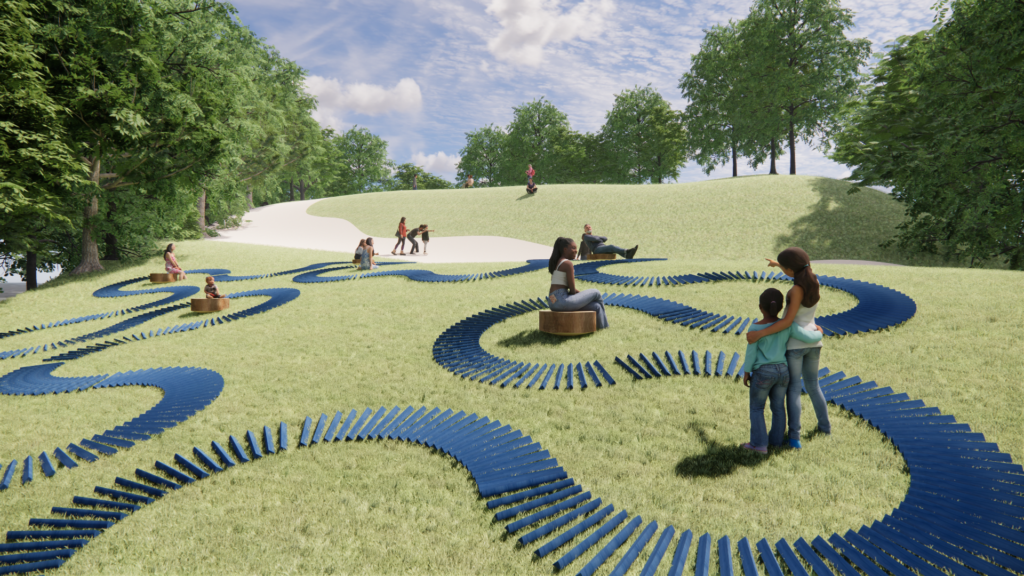
”ナラ枯れ”薪でつくる巨大ランドアートプロジェクト@生田緑地| VOL.1 8月24日(Sat) |1000本の薪を藍染しよう!

..::
_2026.07.14
_Tag
In the heart of Japan, a unique form of tourism is gaining traction, one that offers a glimpse into the past through the lens of decay and abandonment. This is the world of “haikyo” (廃墟), or ruin exploration, a practice that has captivated adventurers and photographers alike. This case study delves into the phenomenon of haikyo, highlighting its cultural significance, the ethical considerations it raises, and the unique experiences it offers to those who embark on this unconventional journey.
Japan’s rapid modernization and urbanization have left behind a trail of abandoned sites, each with its own story to tell. From deserted amusement parks to forgotten villages, these ruins serve as silent witnesses to the passage of time. The allure of haikyo lies in the opportunity to explore these forgotten places, to uncover their histories, and to capture their eerie beauty through photography.
One of the most famous haikyo sites is the abandoned village of Okutama, located in the western part of Tokyo. Once a thriving community, Okutama was abandoned in the 1970s due to the construction of a dam. Today, the village stands as a ghostly reminder of its past, with overgrown houses and rusted machinery scattered across the landscape. Explorers who venture into Okutama often describe a sense of tranquility mixed with a palpable sense of history, as if the spirits of the past are still lingering in the air.
Haikyo is more than just an adventure; it is a cultural phenomenon that reflects Japan’s complex relationship with its past. In a country where tradition and modernity coexist, the exploration of abandoned sites offers a unique perspective on the transient nature of life. The practice of haikyo can be seen as a form of “ruin gazing,” a concept that has gained popularity in recent years as people seek to connect with the past in a tangible way.
Moreover, haikyo sites often serve as canvases for artists and photographers, who use the decaying structures as backdrops for their creative expressions. The juxtaposition of nature reclaiming man-made structures creates a hauntingly beautiful aesthetic that has inspired countless works of art. This fusion of art and history makes haikyo a rich cultural experience that goes beyond mere exploration.
While haikyo offers a unique and enriching experience, it is not without its ethical dilemmas. Many abandoned sites are located on private property, and trespassing can lead to legal consequences. Additionally, the act of exploring these sites can sometimes result in further damage to already fragile structures. As such, it is crucial for haikyo enthusiasts to approach these sites with respect and caution.
One way to mitigate these ethical concerns is to participate in organized haikyo tours. These tours are often led by experienced guides who are knowledgeable about the history and significance of the sites. They also ensure that explorers adhere to safety guidelines and respect the integrity of the ruins. By choosing to join a guided tour, haikyo enthusiasts can enjoy the experience while minimizing their impact on the sites.
The journey through Japan’s abandoned sites is a deeply personal and often transformative experience. Each site tells a different story, offering a glimpse into a moment frozen in time. For example, the abandoned theme park of Nagashima Spa Land, once a popular destination for families, now stands as a surreal landscape of rusted roller coasters and overgrown attractions. Exploring this site evokes a sense of nostalgia and melancholy, 卵城 as visitors are reminded of the fleeting nature of joy and entertainment.
Another notable site is the abandoned hospital of Sanatorium Z, located in the mountains of Nagano Prefecture. This eerie structure, with its peeling wallpaper and rusted medical equipment, has become a popular subject for photographers and filmmakers. The hospital’s haunting atmosphere has inspired numerous stories and legends, adding to its mystique and allure.
Haikyo offers a unique and thought-provoking journey through Japan’s abandoned sites, providing a window into the past and a reflection on the transient nature of life. While it raises ethical considerations, the practice can be enjoyed responsibly through organized tours and respectful exploration. For those who embark on this journey, the experience is often unforgettable, offering a blend of history, art, and adventure that is truly one-of-a-kind.
As Japan continues to evolve and modernize, the practice of haikyo serves as a reminder of the stories that lie beneath the surface, waiting to be discovered by those who dare to explore. Whether it is the abandoned villages, theme parks, or hospitals, each site offers a unique narrative that enriches the cultural tapestry of Japan. Through haikyo, we are reminded of the beauty in decay and the importance of preserving the past, even as we move forward into the future.
_Tag

EMARF | 「自分で作ったものは自分で撮る」をモットーにVUILDではプロダクトから建築のデザイン、制作プロセスや竣工写真の撮影などを行なっている。
Other Posts→