EVENT
2024.08.01
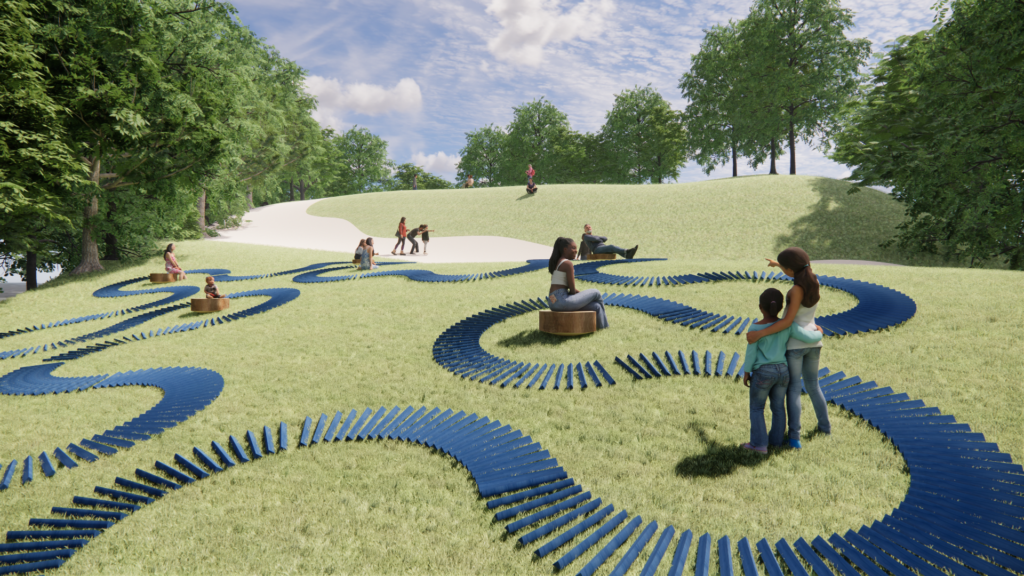
”ナラ枯れ”薪でつくる巨大ランドアートプロジェクト@生田緑地| VOL.1 8月24日(Sat) |1000本の薪を藍染しよう!

..::
_2026.06.27
_Tag
Japan, a country known for its rich history and rapid modernization, is home to numerous abandoned urban areas that offer a unique glimpse into the past. These “haikyo” or urban exploration sites are scattered across the country, each with its own story to tell. In this case study, we will explore some of the best abandoned urban spots in Japan, delving into their history, current state, and the allure they hold for adventurous explorers.
Hashima Island, often referred to as “Battleship Island” due to its unique shape, is one of Japan’s most famous abandoned urban spots. Located in Nagasaki Prefecture, the island was once a thriving coal mining facility operated by Mitsubishi. At its peak in the 1950s, Hashima housed over 5,000 residents and workers, making it one of the most densely populated places on Earth.
The island’s decline began in the 1960s as Japan transitioned from coal to petroleum. By 1974, the mines were exhausted, and the island was abandoned. Today, Hashima stands as a haunting reminder of Japan’s industrial past. The concrete buildings, once bustling with activity, now stand in silence, their windows broken and walls covered in graffiti. The island’s eerie atmosphere has made it a popular subject for films and video games, most notably as the inspiration for the villain’s lair in the James Bond film “Skyfall.”
Exploring Hashima is an unforgettable experience, but it is not without its challenges. Access to the island is strictly controlled, and visitors must join a guided tour. The tour provides a fascinating insight into the island’s history and the harsh living conditions endured by its inhabitants. Despite the restrictions, Hashima remains a must-visit destination for urban explorers seeking to uncover Japan’s industrial heritage.
Gunkanjima Island, also known as Hashima Island, is a fascinating and eerie destination for urban explorers. Located in the Nagasaki Prefecture of Japan, this abandoned island offers a unique glimpse into the country’s industrial past. The island was once a thriving coal mining facility, operated by Mitsubishi, and at its peak in the 1950s, it housed over 5,000 residents and workers. The island’s decline began in the 1960s as Japan transitioned from coal to petroleum, and by 1974, the mines were exhausted, and the island was abandoned.
Today, Gunkanjima stands as a haunting reminder of Japan’s industrial past. The concrete buildings, once bustling with activity, now stand in silence, their windows broken and walls covered in graffiti. The island’s eerie atmosphere has made it a popular subject for films and video games, 巡礼の地 most notably as the inspiration for the villain’s lair in the James Bond film “Skyfall.”
Exploring Gunkanjima is an unforgettable experience, but it is not without its challenges. Access to the island is strictly controlled, and visitors must join a guided tour. The tour provides a fascinating insight into the island’s history and the harsh living conditions endured by its inhabitants. Despite the restrictions, Gunkanjima remains a must-visit destination for urban explorers seeking to uncover Japan’s industrial heritage.
Okunoshima, also known as “Rabbit Island,” is a small island located in the Inland Sea of Japan, near Hiroshima. While the island is now known for its large population of friendly rabbits, it has a dark and abandoned past. During World War II, Okunoshima was the site of a secret poison gas facility, where chemical weapons were produced and tested.
After the war, the facility was abandoned, and the island was left to decay. Today, the remnants of the gas facility can still be seen, including rusted gas masks, abandoned buildings, and eerie underground tunnels. The island’s haunting past contrasts sharply with its current reputation as a peaceful rabbit paradise, making it a unique and intriguing destination for urban explorers.
Visitors to Okunoshima can explore the abandoned facilities while also enjoying the company of the island’s numerous rabbits. The island is easily accessible by ferry from the nearby town of Tadanoumi, and guided tours are available for those interested in learning more about its dark history.
Nara Dreamland, once a popular amusement park located near Nara, Japan, is now a popular destination for urban explorers. The park opened in 1961 and was modeled after Disneyland, featuring a castle, roller coasters, and various attractions. However, due to competition from larger parks like Universal Studios Japan, Nara Dreamland struggled to attract visitors and eventually closed its doors in 2006.
Since its closure, Nara Dreamland has become a popular spot for urban exploration. The abandoned park is filled with overgrown vegetation, rusted rides, and decaying buildings, creating an eerie and atmospheric scene. The park’s most iconic structure, the Sleeping Beauty Castle, stands as a haunting reminder of its former glory.
Exploring Nara Dreamland is an adventure in itself, but visitors should be cautious. The park is privately owned, and access is restricted. However, with the owner’s permission, guided tours are available, offering a unique opportunity to explore the abandoned park and learn about its history.
Toguchi Station, located on the island of Okinawa, is one of Japan’s most remote and abandoned train stations. The station was once part of the Okinawa Railway, which operated from 1914 to 1945. During World War II, the railway was heavily damaged, and the station was eventually abandoned.
Today, Toguchi Station stands as a silent witness to Okinawa’s turbulent past. The station building, though dilapidated, still bears the marks of its wartime history. The surrounding area is overgrown with vegetation, adding to the station’s eerie atmosphere.
Exploring Toguchi Station is a journey back in time. The station is located in a remote area, and access can be challenging. However, for those willing to venture off the beaten path, Toguchi Station offers a unique and unforgettable experience.
Japan’s abandoned urban spots offer a fascinating glimpse into the country’s history and the rapid pace of its modernization. From the eerie remnants of industrial pasts to the decaying structures of once-thriving communities, these sites provide a unique opportunity for urban explorers to uncover the stories that lie hidden beneath the surface.
While exploring these sites can be an adventure, it is essential to approach them with respect and caution. Many of these locations are privately owned or restricted, and visitors should always seek permission before entering. Additionally, the structures are often in a state of disrepair, and exploring them can be dangerous.
For those willing to take the necessary precautions, Japan’s abandoned urban spots offer an unforgettable journey through time. Whether it’s the haunting ruins of Hashima Island, the dark history of Okunoshima, or the decaying attractions of Nara Dreamland, these sites provide a unique and captivating experience for adventurous explorers.
_Tag

EMARF | 「自分で作ったものは自分で撮る」をモットーにVUILDではプロダクトから建築のデザイン、制作プロセスや竣工写真の撮影などを行なっている。
Other Posts→