EVENT
2024.08.01
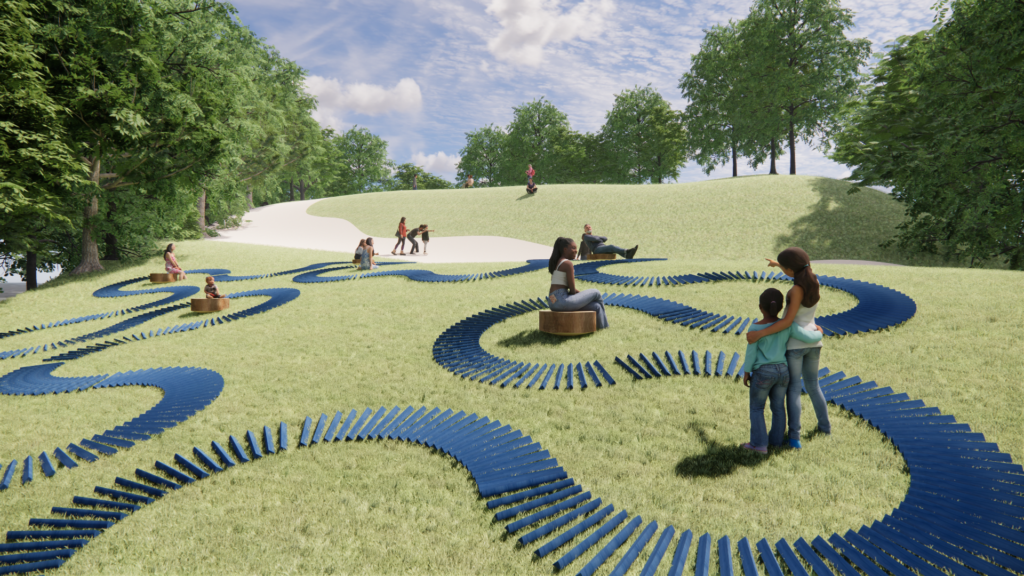
”ナラ枯れ”薪でつくる巨大ランドアートプロジェクト@生田緑地| VOL.1 8月24日(Sat) |1000本の薪を藍染しよう!

..::
_2026.05.11
_Tag
In the heart of Japan, where tradition meets innovation, a unique and exhilarating tourism experience has been gaining popularity: 滝めぐりのユニークなツアー, or unique waterfall tours. These tours offer a blend of adventure, cultural immersion, and natural beauty, attracting both domestic and international tourists. This case study delves into the intricacies of these tours, focusing on their unique aspects, the experiences they offer, and their impact on local communities and the environment.
Waterfall tours, or 滝めぐり, have long been a part of Japanese culture. Historically, these tours were pilgrimages to sacred waterfalls, believed to have spiritual and healing properties. Modern waterfall tours have evolved to include a variety of activities, such as hiking, swimming, and even dining, while still retaining their cultural and spiritual significance.
The Kurobe Gorge waterfall tour in Toyama Prefecture is a prime example of a unique waterfall tour. This tour offers a blend of adventure, culture, and natural beauty, making it a popular choice among tourists.
Adventure Activities: The tour includes a scenic bus ride through the Kurobe Gorge, followed by a hike to the waterfall. Participants can also opt for a thrilling canyoning experience, navigating the gorge’s rapids and waterfalls.
Cultural Immersion: The tour includes a visit to the nearby Kurobe Dam, one of Japan’s largest dams, and the Kurobe Shrine, where participants can learn about the local deity and offer prayers. The tour also incorporates local folklore, with guides sharing stories about the gorge’s mythical creatures and spirits.
Culinary Experiences: The tour concludes with a riverside barbecue, featuring local specialties like Hida beef and fresh river fish. Participants can enjoy their meal while taking in the stunning views of the gorge.
Eco-Tourism: The tour promotes responsible travel, with guides educating participants about the gorge’s unique ecosystem and the importance of conservation. The tour also supports local conservation efforts, with a portion of the proceeds going towards the preservation of the gorge’s natural beauty.
Waterfall tours have a significant impact on local communities and the environment. They provide a source of income for local guides, restaurants, and shops, boosting the local economy. They also promote cultural preservation, as they encourage the continuation of traditional practices and the sharing of local folklore.
However, waterfall tours can also have negative impacts, such as environmental degradation and cultural commodification. To mitigate these impacts, many tours prioritize sustainability and responsible travel. They promote eco-tourism, minimize environmental impact, and support local conservation efforts.
Waterfall tours in Japan offer a unique blend of adventure, culture, and natural beauty. They provide an immersive experience, allowing participants to connect with nature, learn about local culture, and support local communities. As the popularity of these tours continues to grow, it is essential to prioritize sustainability and responsible travel, ensuring that these natural wonders can be enjoyed by future generations.
_Tag

EMARF | 「自分で作ったものは自分で撮る」をモットーにVUILDではプロダクトから建築のデザイン、制作プロセスや竣工写真の撮影などを行なっている。
Other Posts→