EVENT
2024.08.01
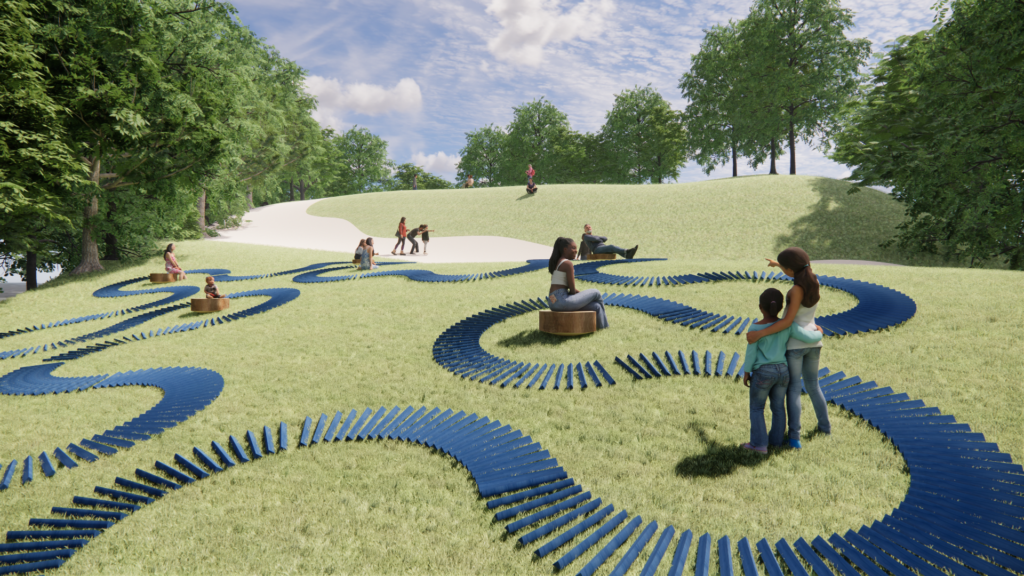
”ナラ枯れ”薪でつくる巨大ランドアートプロジェクト@生田緑地| VOL.1 8月24日(Sat) |1000本の薪を藍染しよう!

..::
_2026.09.26
_Tag
The team at the music teacher needs to promote its introductory lesson week, but the folder contains notes and no coherent asset set. The work must make sense to parents of young beginners on a phone and lead naturally toward the choice to send an inquiry. The editorial angle is platform adaptation, with a simple side-by-side choice providing the opening tension.
The working brief fits on one page: the music teacher is promoting the introductory lesson week to parents of young beginners, and the single communication goal is to send an inquiry. Tone is patient and upbeat. Required inputs are approved wording, timing, cost, eligibility, delivery method, and contact path; unsupported results and false urgency are prohibited. Production fields cover exact spelling and case, included and avoided words, sensitive claims, source permissions, a 4:5 master crop, mobile margins, a 32-second limit, formats, owners, and publishing time. Approved facts are separated from questions and examples so assumptions cannot become public claims.
Drafting begins with editorial routes so the team can choose an argument before polishing sentences. The route board contains a common error tied to a simple side-by-side choice, a compact workflow, a comparison, and a process note grounded in the music teacher. The platform adaptation objective favors the route with a visible action, a defensible claim, and an honest path to send an inquiry.
Only the chosen argument becomes long copy, social caption, concise hook, five carousel cards, narration, and headline alternatives. Each card has one job: identify friction for parents of young beginners, list inputs, demonstrate a hypothetical decision, review it, then invite people to send an inquiry. If a fact is absent, the draft carries an editor query and stops short of publication wording. Sentences without a method, example, decision rule, or warning are removed.
Generated material can fail through prompt churn, inconsistent subjects, and accidental text. A system may also change the subject between frames, deform text or interfaces, miss cultural meaning, imitate a familiar mark, or describe an example as a real result. A second reviewer compares each output with the source, inspects artwork at full size, and reads the script without prompt history.
The visual is not decoration; it must make the deadline legible without generated type within the introductory lesson week story. The prompt describes the introductory lesson week as subject, a foreground-to-background composition, one focal point, a restrained contextual background, cream, charcoal, and muted red, soft directional light, and a 4:5 frame. No essential detail enters the mobile crop or caption-safe margins; real copy is added later as an editable layer. For mockup purposes, ‘Quiet Start’ and ‘Local Hands’ are sample names added by a designer, with no claim of registration or approval.
The schedule also reserves enough time for correction, source checks, and another careful final reading before any finished asset is queued. For the introductory lesson week, the producer first makes one complete chain: approved message, adaptable composition, connected captions, and a short demonstration. The owner reviews that chain before variants are made, because a weak assumption copied into twelve exports becomes harder to locate and more expensive to repair. The production board records the asset, audience purpose, supporting fact, destination format, approval state, reviewer, and how it helps people send an inquiry. After a small release, the owner compares observable signals chosen in advance, such as completed inquiries or saves, while keeping exposure and Generate AI images time period visible. What the team learns is limited to this platform adaptation test; it does not become a guarantee, invented success story, or broad claim about every audience. Simple version discipline matters here: identify drafts by purpose, document the approved choice, and archive old exports away from publishable files before scheduling begins. Before scheduling, the producer checks the actual derivatives in their destination previews for compression, crop, caption placement, links, and any change to the intended reading order.
Platform adaptation begins from the approved message, not from pasting one caption into different boxes. On a text feed, the producer explains the choice behind the introductory lesson week. An image feed foregrounds the visual task, while the carousel distributes the reasoning. A phone-first clip names a simple side-by-side choice within two seconds, a longer cut includes the review, and the community version asks for focused feedback tied to the choice to send an inquiry.
The short video stays with one question for 32 seconds: what must the music teacher decide before producing the set? For three seconds, voiceover names a simple side-by-side choice, screen copy stays under five words, and the camera shows real planning notes after private details are removed. The middle assigns four seconds to inputs, six to the example, and five to a visible check; closing seconds carry the confirmed next step. The shot sheet separates voiceover, on-screen text, direction, duration, source or assumption, and review note into six columns.
Human approval starts by matching every claim to confirmed inputs, checking current external rules against reliable sources, recording the access date, and testing audience fit and voice. At full size and on a phone, visual review covers spelling, repeated letters, icons, hands, object count, edges, shadows, interface logic, stray marks, contrast, reading order, safe zones, and every crop from 4:5. A cold reviewer watches for changing objects, warped text, caption errors, unsafe margins, mispronunciation, uneven pace or audio, weak boundary frames, and lost meaning without sound. The owner approves only when every format preserves the facts, keeps the voice patient and upbeat, and gives parents of young beginners a credible path to send an inquiry.
The final folder separates the source sheet, approved route, editable copy, layered artwork, caption file, shot list, provenance notes, and export checklist. A late correction can flow through the set without forcing the owner to reconstruct which draft supplied a claim. The finished set stays modest: one approved idea, channel-specific expressions, and a documented human decision about the introductory lesson week.
The planning sheet translates that search language into its underlying job: to move from a written idea to a controlled visual set. Success means repeatable compositions with room for real typography, not a large gallery of attractive drafts. The phrase guides the job, but the introductory lesson week stays as the one illustrative case.
_Tag

EMARF | 「自分で作ったものは自分で撮る」をモットーにVUILDではプロダクトから建築のデザイン、制作プロセスや竣工写真の撮影などを行なっている。
Other Posts→